Green Tech Revolution: How Dubai is Leading Sustainable Innovation in 2025
By Georgiana Mart | Published on November 14, 2025
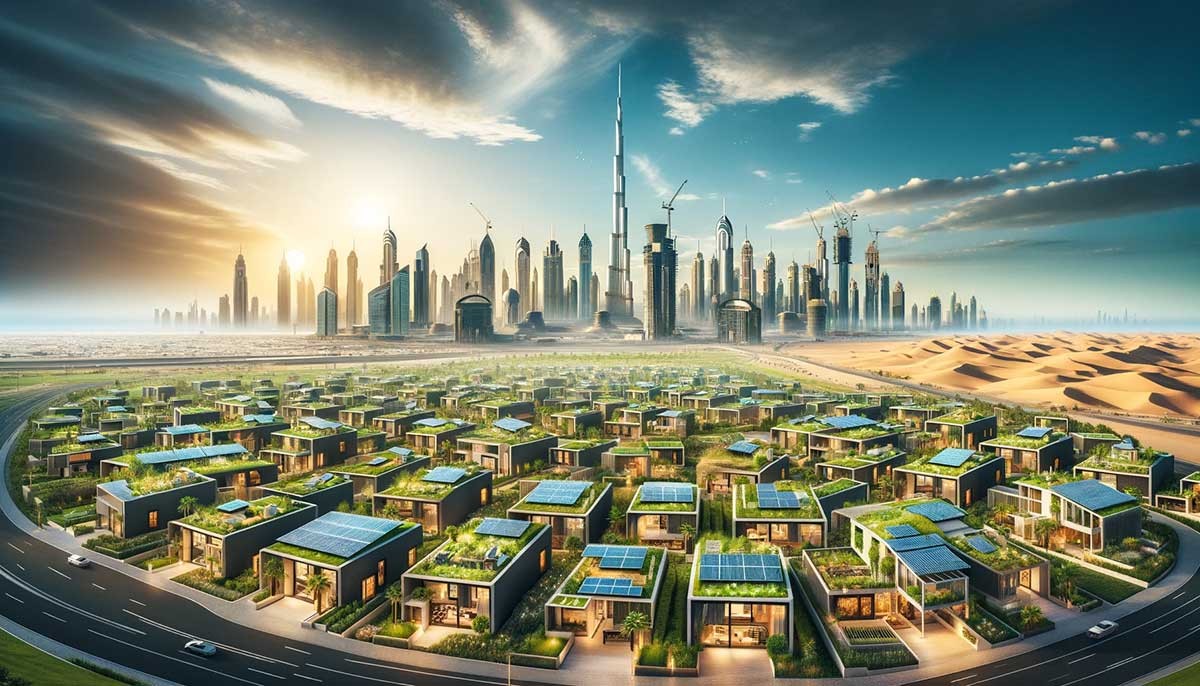
Dubai is rapidly transforming into a global hub for sustainable technology and green innovation, with the Dubai Clean Energy Strategy 2050 aiming to generate 75% of its energy from clean sources by 2050. The emirate's commitment to sustainable development is driving unprecedented investments in renewable energy, smart city technologies, circular economy solutions, and green infrastructure. From the world's largest solar park to AI-powered energy management systems, Dubai is demonstrating how rapid urbanization and environmental sustainability can coexist and thrive together.
1. Mohammed bin Rashid Al Maktoum Solar Park: World's Largest Renewable Energy Project
The Mohammed bin Rashid Al Maktoum Solar Park continues to expand, with Phase V adding 900MW of capacity in 2025, bringing the total capacity to over 3,000MW. The project features innovative bifacial solar panels that capture sunlight from both sides and advanced thermal storage systems that provide 24/7 clean energy. The solar park is not only powering hundreds of thousands of homes but also serving as a living laboratory for solar technology innovation, attracting researchers and companies from around the world to test and develop next-generation renewable energy solutions.
2. Smart City Infrastructure and IoT Integration
Dubai's smart city initiatives are revolutionizing urban sustainability through comprehensive IoT integration. The city has deployed over 2 million smart sensors that monitor energy consumption, water usage, waste management, and traffic flow in real-time. These sensors feed data into Dubai's central AI platform, which optimizes resource allocation and reduces environmental impact. Smart buildings equipped with automated energy management systems have reduced electricity consumption by 35% and water usage by 40% compared to conventional buildings, setting new standards for urban sustainability.
3. Green Hydrogen Economy and Energy Storage
Dubai is pioneering the development of a green hydrogen economy with the launch of the Middle East's first industrial-scale green hydrogen plant. The facility uses solar energy to produce hydrogen through electrolysis, creating a clean fuel source for transportation and industry. The emirate has also invested in advanced energy storage solutions, including flow batteries and compressed air energy storage, ensuring reliable clean energy supply even during peak demand periods. These innovations are crucial for Dubai's transition to a post-carbon economy.
4. Sustainable Transportation and EV Infrastructure
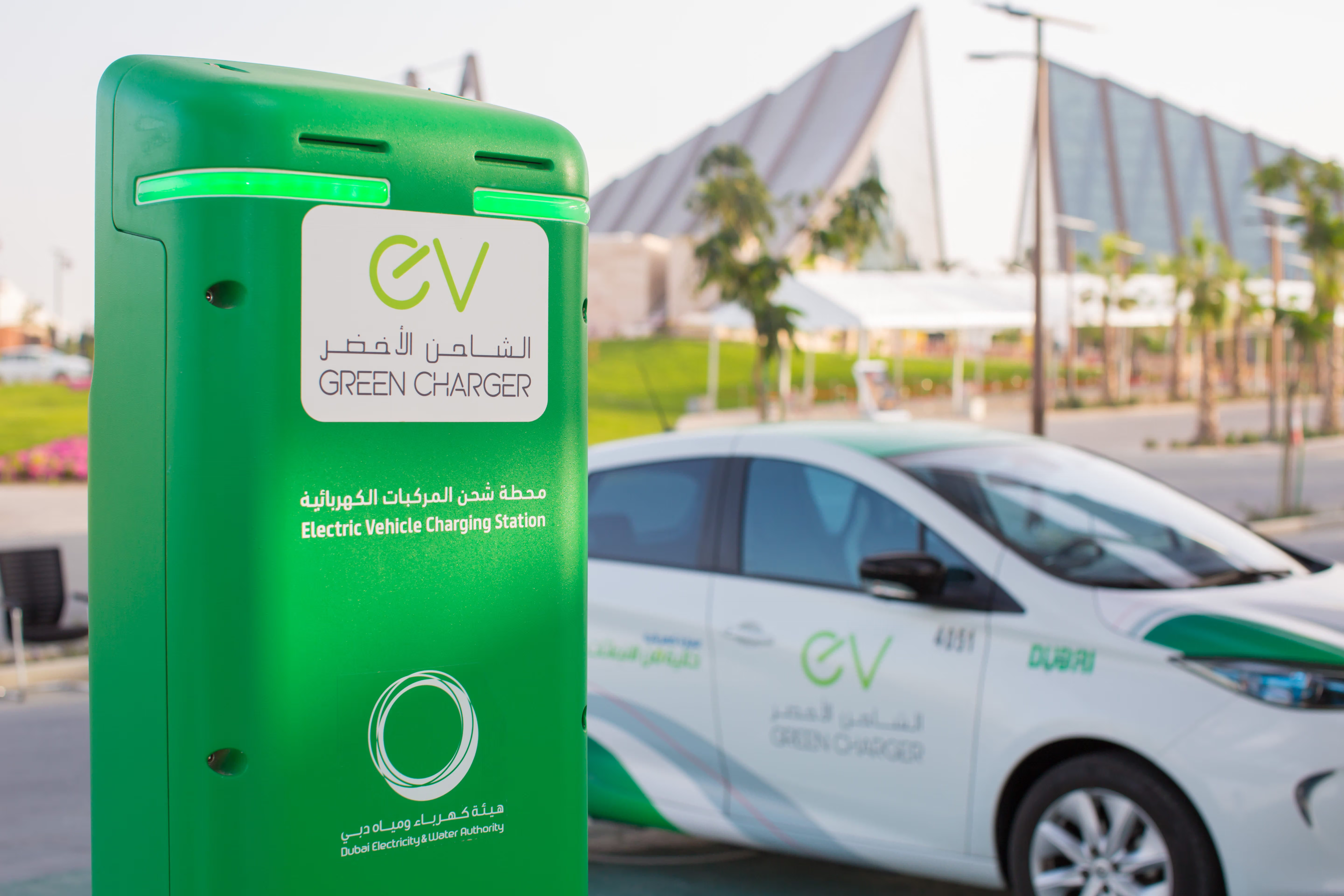
Dubai's transportation sector is undergoing a green transformation with the rapid adoption of electric vehicles and sustainable mobility solutions. The city has installed over 5,000 public charging stations and aims for 30% of all vehicles to be electric by 2030. The Road and Transport Authority (RTA) has introduced 500 electric buses and is testing autonomous electric shuttles. Dubai's metro system, already one of the world's most advanced, has achieved 95% energy efficiency through regenerative braking and smart energy management systems.
5. Circular Economy and Waste-to-Energy Solutions
Dubai is implementing ambitious circular economy strategies that transform waste into valuable resources. The Warsan Waste-to-Energy Plant, the largest in the Middle East, processes 2 million tons of municipal solid waste annually, generating 200MW of electricity while reducing landfill waste by 90%. Advanced recycling facilities recover 85% of materials from construction and demolition waste, and innovative startups are developing solutions to convert plastic waste into building materials and fashion products, creating new economic opportunities from waste streams.
6. Green Building Technologies and Sustainable Construction
Dubai's construction industry is embracing green building technologies at an unprecedented scale. The Al Saafa Park district development has achieved the highest LEED Platinum certification, featuring passive cooling systems, greywater recycling, and integrated renewable energy generation. 3D printing technology is revolutionizing construction with reduced material waste and faster build times - the Office of the Future was 3D printed in 17 days with 60% less waste than conventional construction. These innovations are making sustainable building more accessible and cost-effective.
7. Water Conservation and Smart Irrigation Systems
In a region facing water scarcity, Dubai is leading in water conservation technologies. The city has reduced water consumption by 30% through smart irrigation systems that use weather data and soil moisture sensors to optimize watering schedules. Advanced greywater recycling systems in residential and commercial buildings recover 50-80% of water for non-potable uses. The Dubai Electricity and Water Authority (DEWA) has implemented AI-powered demand forecasting that reduces water production during low-demand periods, saving millions of gallons annually.
8. Sustainable Agriculture and Vertical Farming
Dubai is overcoming its arid climate through innovative agricultural technologies. Vertical farms using hydroponic and aeroponic systems produce fresh vegetables using 95% less water than traditional farming. The World's Largest Vertical Farm in Dubai covers 30,000 square meters and produces 2,000 tons of leafy greens annually. These facilities use AI-controlled LED lighting and climate systems to optimize growth conditions, providing locally grown, pesticide-free produce while reducing food miles and water consumption.
9. Carbon Capture and Climate Resilience
Dubai is implementing cutting-edge carbon capture technologies to mitigate its environmental impact. The Al Reyadah carbon capture facility captures 800,000 tons of CO2 annually from steel production, which is used for enhanced oil recovery and eventually for carbon-neutral synthetic fuels. The city is also developing climate resilience strategies, including heat-reflective surfaces, urban greening projects, and advanced weather modification research to ensure sustainable development in the face of climate change challenges.
10. Green Finance and Sustainable Investment
Dubai has established itself as a global center for green finance, with the Dubai International Financial Centre (DIFC) launching the region's first comprehensive green finance framework. Sustainable bonds and ESG-focused funds have attracted over $15 billion in investments for green projects. The Dubai Green Fund provides financing for renewable energy and sustainability projects, while the Carbon Trading Platform enables companies to trade carbon credits, creating economic incentives for emissions reduction.
11. Sustainable Tourism and Eco-Hospitality
Dubai's tourism sector is embracing sustainability with hotels and attractions implementing comprehensive green practices. The Sustainable Tourism Initiative has certified over 400 hotels for their environmental performance, resulting in 25% reduction in energy consumption and 30% reduction in water usage across the sector. Eco-tourism experiences, including desert conservation tours and marine protection programs, are attracting environmentally conscious travelers and creating new revenue streams while preserving natural habitats.
12. Future Outlook: Net Zero 2050 and Beyond
As Dubai progresses toward its Net Zero 2050 goal, the emirate is positioning itself as a global model for sustainable urban development. Emerging technologies including fusion energy, artificial photosynthesis, and smart materials promise to accelerate the green transition. The integration of sustainability with digital transformation through blockchain for carbon tracking and AI for environmental monitoring will create new opportunities for innovation and economic growth while ensuring environmental protection for future generations.
Dubai's green technology revolution demonstrates that economic growth and environmental sustainability can be mutually reinforcing. The emirate's comprehensive approach to sustainable development, combining ambitious targets with practical innovations and substantial investments, is creating a blueprint for cities worldwide. From renewable energy and smart infrastructure to circular economy solutions and green finance, Dubai is proving that the future of urban development is both high-tech and environmentally responsible.
Ready to embrace sustainable technology solutions in Dubai? Contact our sustainability specialists to develop customized green technology strategies that reduce environmental impact while driving business growth and innovation in the emirate's evolving sustainable economy.