E-commerce Revolution: Dubai's Digital Market Expansion in 2025
By Georgiana Mart | Published on October 10, 2025
Dubai is undergoing a remarkable digital transformation, positioning itself as the Middle East's e-commerce capital. With one of the highest internet penetration rates globally and a tech-savvy population, the emirate is creating unparalleled opportunities for online businesses. The convergence of advanced infrastructure, supportive government policies, and evolving consumer preferences is fueling an e-commerce revolution that shows no signs of slowing down.
1. Market Size and Growth Trajectory
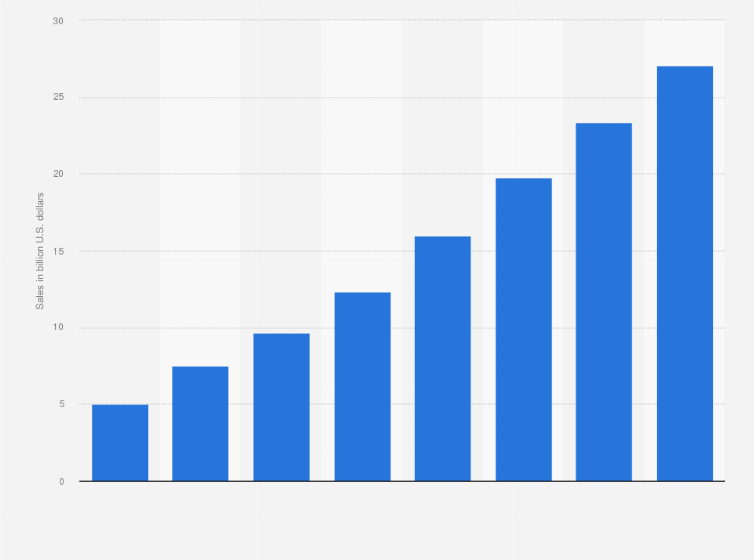
Dubai's e-commerce market is projected to reach $8 billion by the end of 2025, with an annual growth rate of 23% - one of the fastest in the world. The UAE's high smartphone penetration (over 95%) and widespread digital payment adoption have created an ideal environment for online retail. With more than 80% of Dubai residents shopping online regularly, the market has matured significantly from its early days of basic online transactions.
2. Government Initiatives Driving Digital Commerce
The Dubai government has launched several strategic initiatives to accelerate e-commerce growth. The Dubai E-Commerce Strategy aims to increase the sector's contribution to the economy by 150% by 2025. The Dubai CommerCity, the first free zone dedicated entirely to e-commerce, provides state-of-the-art infrastructure and streamlined regulations for digital businesses. Additionally, the Dubai Paperless Strategy has reduced bureaucratic hurdles, making it easier for e-commerce companies to operate efficiently.
3. Logistics and Fulfillment Innovations
Dubai's strategic location and world-class logistics infrastructure give e-commerce businesses a significant advantage. The emirate serves as a gateway to 2 billion consumers across the Middle East, Africa, and South Asia. Companies like Amazon, Noon, and local players have established advanced fulfillment centers in Dubai, offering same-day and even two-hour delivery services. The integration of AI and robotics in warehouses has dramatically improved efficiency and reduced operational costs.
4. Payment Solutions and Financial Technology
The evolution of payment systems has been crucial to e-commerce growth in Dubai. While cash-on-delivery was once dominant, digital payments now account for over 65% of online transactions. The Central Bank of the UAE's Instant Payment Platform and the widespread adoption of digital wallets like Apple Pay, Samsung Pay, and local solutions have made online shopping more secure and convenient. Buy-now-pay-later services have also gained significant traction, particularly among younger consumers.
5. Social Commerce and Influencer Marketing
Dubai has emerged as a global hub for social media influencers, creating unique opportunities for social commerce. Platforms like Instagram, TikTok, and Snapchat have integrated shopping features that allow direct purchases through social media. Arabic-language content creators with massive followings are driving product discovery and purchase decisions, with influencer marketing generating an average ROI of 650% for e-commerce businesses in the region.
6. Cross-Border E-commerce Opportunities
Dubai's free zones and favorable trade agreements make it an ideal base for cross-border e-commerce operations. Businesses can leverage Dubai's infrastructure to reach customers across the GCC, Middle East, and North Africa regions with minimal customs barriers. The Dubai Cross-Border E-commerce Framework simplifies international trade for online retailers, while the emirate's multilingual workforce supports customer service in multiple languages.

7. Mobile Commerce Dominance
Mobile commerce accounts for nearly 70% of all e-commerce transactions in Dubai, one of the highest rates globally. The prevalence of high-speed 5G networks and affordable data plans has made mobile shopping the preferred channel for consumers. E-commerce businesses are prioritizing mobile-first design, with progressive web apps and dedicated mobile applications becoming standard requirements for market success.
8. Personalization and AI-Driven Shopping
Artificial intelligence is transforming the e-commerce experience in Dubai. Advanced algorithms analyze customer behavior to provide personalized product recommendations, dynamic pricing, and targeted marketing. Chatbots and virtual shopping assistants handle customer inquiries 24/7, while AI-powered inventory management systems optimize stock levels and predict demand patterns with remarkable accuracy.
9. Sustainable E-commerce Practices
Sustainability has become a key differentiator in Dubai's e-commerce landscape. Consumers increasingly prefer brands that demonstrate environmental responsibility. E-commerce companies are adopting eco-friendly packaging, carbon-neutral delivery options, and product lines that align with sustainable values. The Dubai Can initiative and other sustainability programs provide support and recognition for businesses implementing green practices.
10. Future Trends and Emerging Opportunities
The next phase of e-commerce growth in Dubai will be driven by several emerging trends. Voice commerce is gaining traction as smart speakers become more prevalent in Emirati households. Augmented reality shopping experiences allow customers to visualize products in their homes before purchasing. Live commerce - combining live streaming with instant purchasing - is creating new engagement models. The metaverse also presents exciting opportunities for virtual storefronts and immersive shopping experiences.
Dubai's e-commerce revolution represents a paradigm shift in how retail operates in the Middle East. The combination of technological advancement, supportive government policies, and changing consumer behaviors has created a fertile ground for digital businesses to thrive. As the lines between physical and digital commerce continue to blur, companies that embrace innovation and adapt to evolving market dynamics will lead the next wave of growth.
Ready to launch or expand your e-commerce business in Dubai? Contact our experts to navigate the digital landscape and capitalize on the emirate's e-commerce boom. With the right strategy and local knowledge, your business can achieve remarkable success in one of the world's most dynamic digital markets.