Green Finance Revolution: How Dubai is Becoming a Global Hub for Sustainable Investment
By Georgiana Mart | Published on November 21, 2025
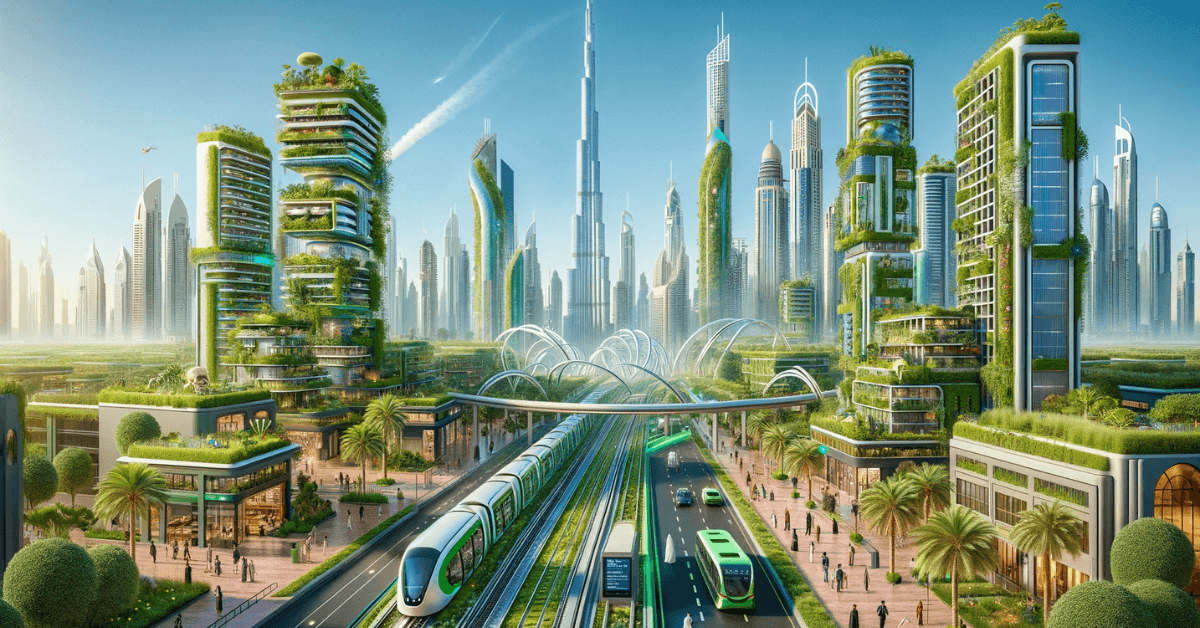
Dubai is rapidly establishing itself as a global hub for green finance, with the Dubai International Financial Centre (DIFC) emerging as the Middle East's leading sustainable finance ecosystem. The emirate's strategic vision aligns with the UAE's Net Zero 2050 initiative, creating unprecedented opportunities for ESG-focused investments, green bonds, and climate-resilient financial products. From sustainable sukuk to carbon trading platforms, Dubai is demonstrating how financial innovation can drive environmental progress while generating competitive returns for investors.
1. Dubai's Green Finance Ecosystem: Regulatory Framework and Infrastructure
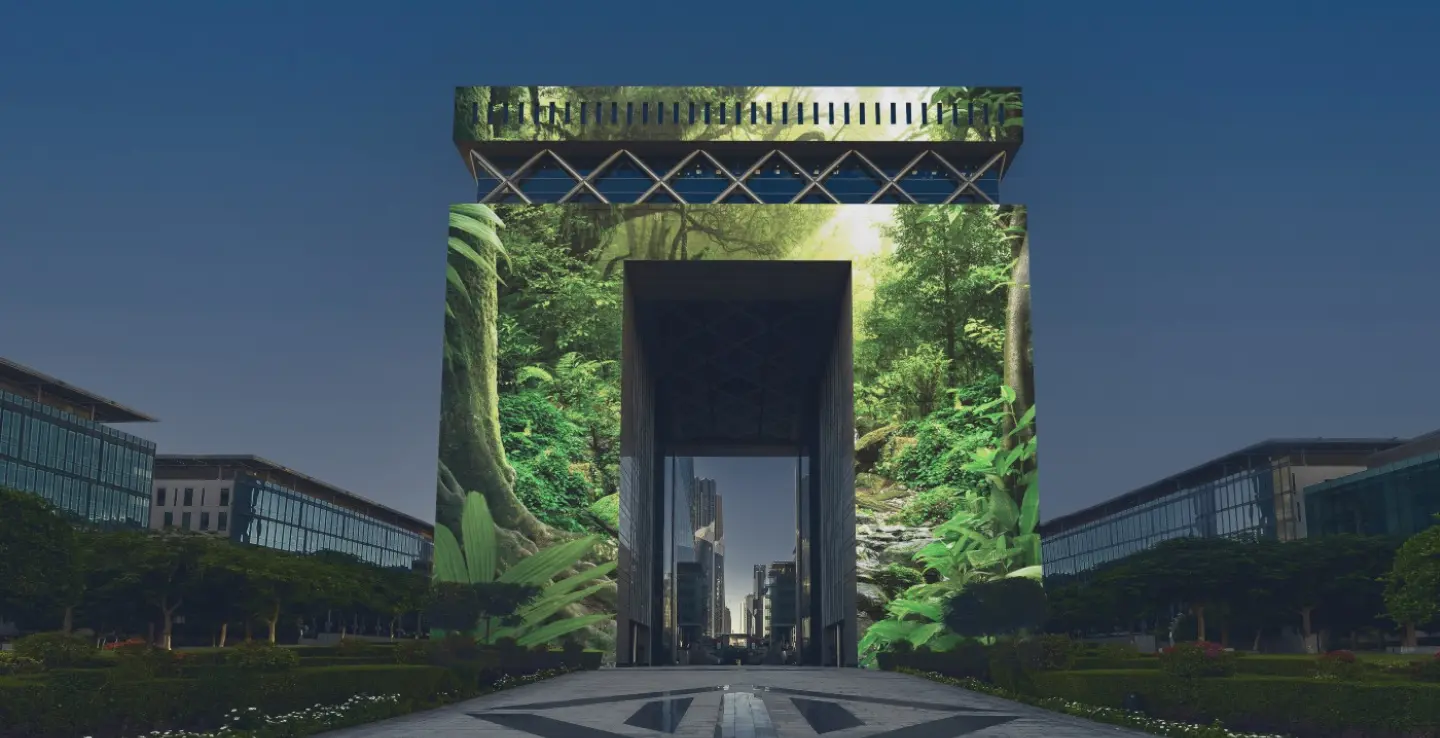
The DIFC has launched the region's most comprehensive green finance regulatory framework, establishing clear guidelines for sustainable investments and ESG reporting. The Dubai Financial Services Authority (DFSA) has introduced mandatory climate risk disclosures for financial institutions, while the Dubai Sustainable Finance Working Group coordinates public-private partnerships. The newly established Dubai Green Exchange provides a dedicated platform for trading sustainable financial instruments, attracting international asset managers and creating a vibrant ecosystem for green capital formation.
2. Green Bonds and Sustainable Sukuk: Record Growth in 2025
Dubai has witnessed explosive growth in green bond issuance, with volumes reaching $8.5 billion in 2025 alone - a 75% increase from the previous year. The government's inaugural $1.5 billion sovereign green bond was oversubscribed 7.2 times, demonstrating strong international investor appetite. Islamic financial institutions have pioneered green sukuk structures that comply with Sharia principles while funding renewable energy and sustainable infrastructure projects. These instruments are financing everything from solar parks to water conservation initiatives across the emirate.
3. ESG Integration in Corporate Strategy and Reporting
Dubai-based companies are leading the region in ESG integration, with 85% of listed companies now publishing comprehensive sustainability reports. The Dubai Financial Market (DFM) has launched an ESG reporting platform that standardizes disclosures and enables investors to compare performance across sectors. Companies implementing robust ESG strategies have outperformed their peers by 12% in shareholder returns over the past three years, proving that sustainability drives financial performance in Dubai's dynamic market environment.
4. Climate-Tech Venture Capital and Startup Funding
Dubai has become the Middle East's premier destination for climate-tech investment, with venture capital funding for green startups reaching $450 million in 2025. The Dubai Future Foundation's "Climate Tech Accelerator" has supported 75 startups developing solutions in renewable energy, circular economy, and sustainable agriculture. Major success stories include Desert Control, which raised $35 million for its liquid nanoclay technology, and Red Sea Farms, which secured $40 million for its water-efficient agricultural systems.
5. Carbon Markets and Emissions Trading
Dubai has established the region's first comprehensive carbon trading platform, enabling companies to buy and sell carbon credits to meet their emissions reduction targets. The platform has facilitated transactions worth $120 million since its launch, with credits generated from projects including mangrove restoration, solar energy installations, and industrial efficiency improvements. The Dubai Carbon Exchange is developing standardized methodologies for carbon credit verification, creating transparency and trust in the emerging voluntary carbon market.
6. Sustainable Real Estate Finance and Green Mortgages
Dubai's real estate sector is embracing sustainable finance through green building certifications and specialized financing products. Banks are offering "green mortgages" with preferential interest rates for properties meeting LEED or Estidama Pearl standards. The value of green building projects financed through sustainable loans has reached $12 billion, with developments like The Sustainable City and Dubai Hills Estate demonstrating the commercial viability of environmentally responsible real estate. Properties with green certifications command 7-12% premium in rental yields and resale values.
7. Islamic Finance and Sustainability Convergence
Dubai is pioneering the convergence of Islamic finance and sustainable investment principles, creating innovative financial products that align with both Sharia law and ESG criteria. Islamic banks have launched green murabaha financing for renewable energy projects and sustainable ijarah structures for electric vehicle fleets. The Emirates Islamic Bank's "Green Sukuk" framework has mobilized $2.3 billion for environmentally beneficial projects, demonstrating the natural alignment between Islamic finance's emphasis on social responsibility and modern sustainability principles.
8. Public-Private Partnerships for Green Infrastructure
Dubai is leveraging public-private partnerships (PPPs) to finance large-scale green infrastructure projects. The Mohammed bin Rashid Al Maktoum Solar Park's Phase VI attracted $1.8 billion in private investment through a competitive bidding process that delivered record-low tariffs. The Dubai Green Fund has co-invested with private sector partners in waste-to-energy plants, district cooling systems, and electric vehicle charging networks, demonstrating the bankability of sustainable infrastructure projects in the emirate.
9. Sustainable Wealth Management and ESG Investing
High-net-worth individuals in Dubai are increasingly allocating capital to sustainable investments, with ESG-focused wealth management assets growing by 45% annually. Private banks and family offices are developing sophisticated impact measurement frameworks that quantify both financial returns and environmental benefits. The Dubai Sustainable Family Office Alliance has brought together 35 prominent family businesses to share best practices and co-invest in sustainability projects, mobilizing over $3.2 billion in patient capital for long-term environmental solutions.
10. Green Insurance and Climate Risk Management
Dubai's insurance sector is developing innovative products to address climate-related risks and promote sustainable practices. Insurers are offering premium discounts for green buildings, electric vehicles, and companies with strong ESG ratings. Parametric insurance products provide rapid payouts for extreme weather events, while carbon credit insurance protects against delivery risks in emissions trading. These products are creating financial resilience while incentivizing climate adaptation and mitigation measures across various sectors.
11. Financial Technology for Sustainability
Dubai's fintech ecosystem is driving innovation in sustainable finance through blockchain, AI, and big data analytics. Distributed ledger technology is being used to create transparent supply chain financing platforms that reward sustainable practices. AI-powered platforms analyze satellite imagery and IoT data to verify the environmental impact of green bond projects. These technological innovations are reducing transaction costs, enhancing transparency, and creating new opportunities for retail investors to participate in sustainable finance.
12. Future Outlook: Dubai as Global Green Finance Leader
As Dubai progresses toward its vision of becoming the world's most sustainable city, its green finance ecosystem is poised for continued exponential growth. Emerging opportunities include biodiversity credits, blue bonds for ocean conservation, and transition finance for hard-to-abate industries. The integration of artificial intelligence and blockchain will further enhance the efficiency and transparency of sustainable financial markets. With its strategic location, innovative regulatory approach, and ambitious sustainability targets, Dubai is well-positioned to become the global capital of green finance by 2030.
Dubai's green finance revolution demonstrates how financial innovation can accelerate environmental progress while creating substantial economic value. The emirate's comprehensive approach - combining regulatory leadership, product innovation, and public-private collaboration - is creating a blueprint for sustainable financial centers worldwide. From green bonds and sustainable sukuk to carbon markets and climate-tech venture capital, Dubai is proving that finance can be a powerful force for environmental good while delivering competitive returns to investors.
Interested in exploring sustainable investment opportunities in Dubai? Contact our green finance specialists to develop customized investment strategies that align with your financial objectives while contributing to Dubai's sustainable development goals and the global transition to a green economy.